Requirements
Define pass criteria, measurement conditions, tolerances and decision owners.

Useful validation shows where a system works, for how long, under which conditions and with what confidence.

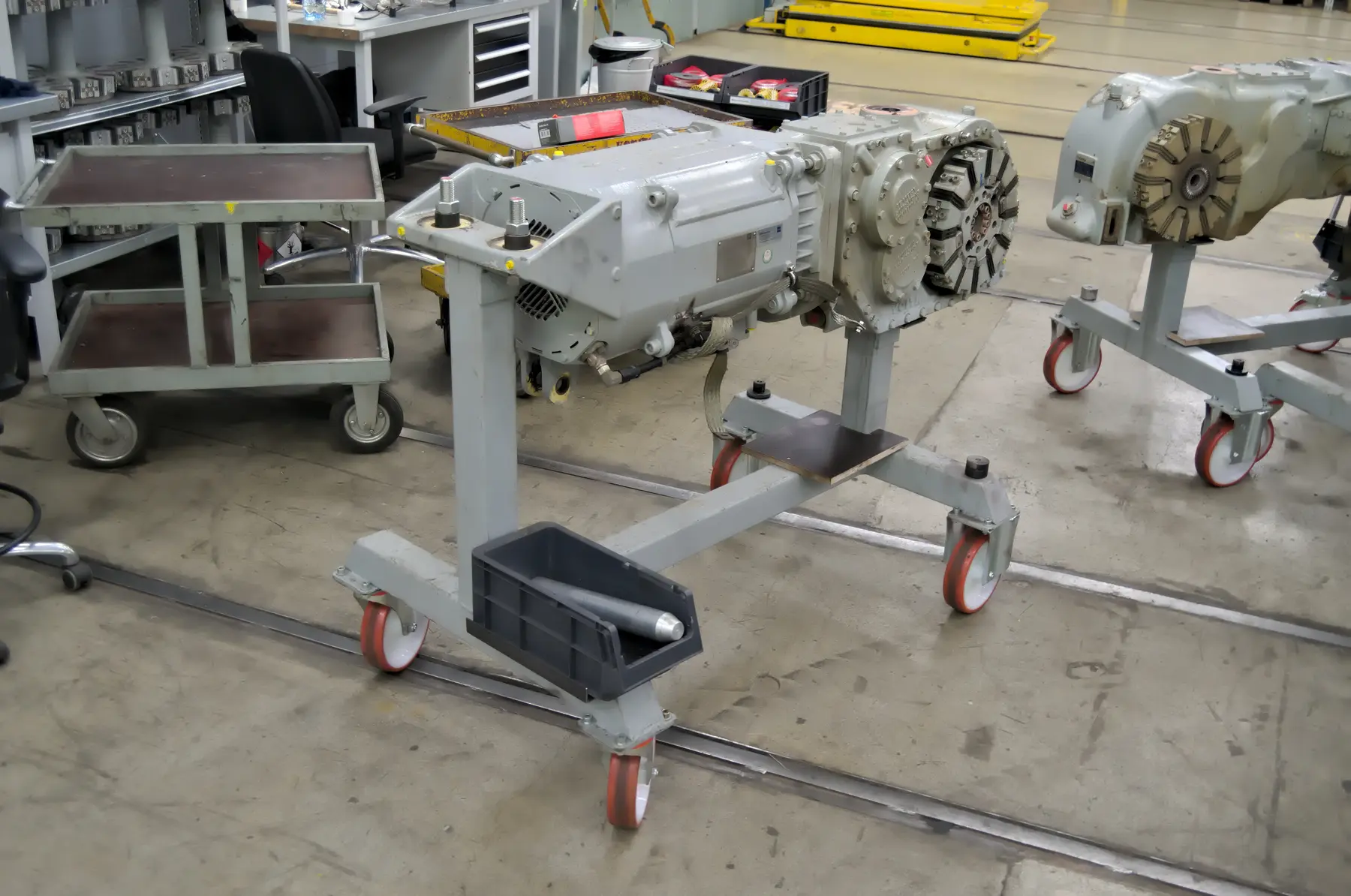 Electric motor test stand · Wikimedia Commons
Define pass criteria, measurement conditions, tolerances and decision owners.
Predict behaviour, understand sensitivities and select where physical evidence is most valuable.
Characterise materials, thermal paths, electrical behaviour and critical subassemblies.
Measure torque, speed, efficiency, thermal response, control behaviour and repeatability as required.
Compare models and data, explain differences and update the engineering definition.
Present the result with conditions, uncertainty, open risks and clear conclusions.
Torque, speed, efficiency and temperature change together across a duty cycle. This qualitative view illustrates the questions a validation plan must answer; it does not present product performance values.
Tell us what decision the validation must support and which conditions the system must represent.